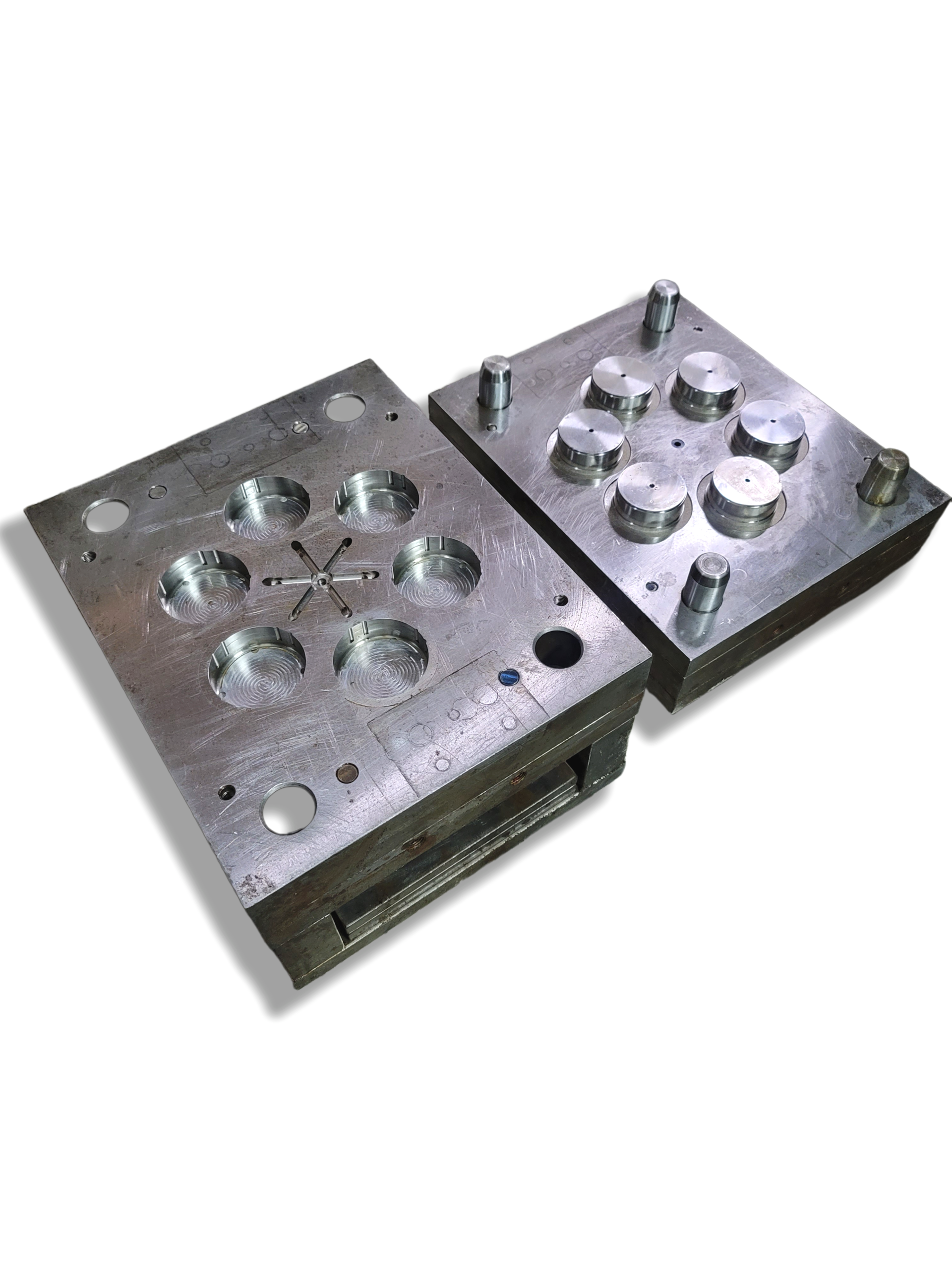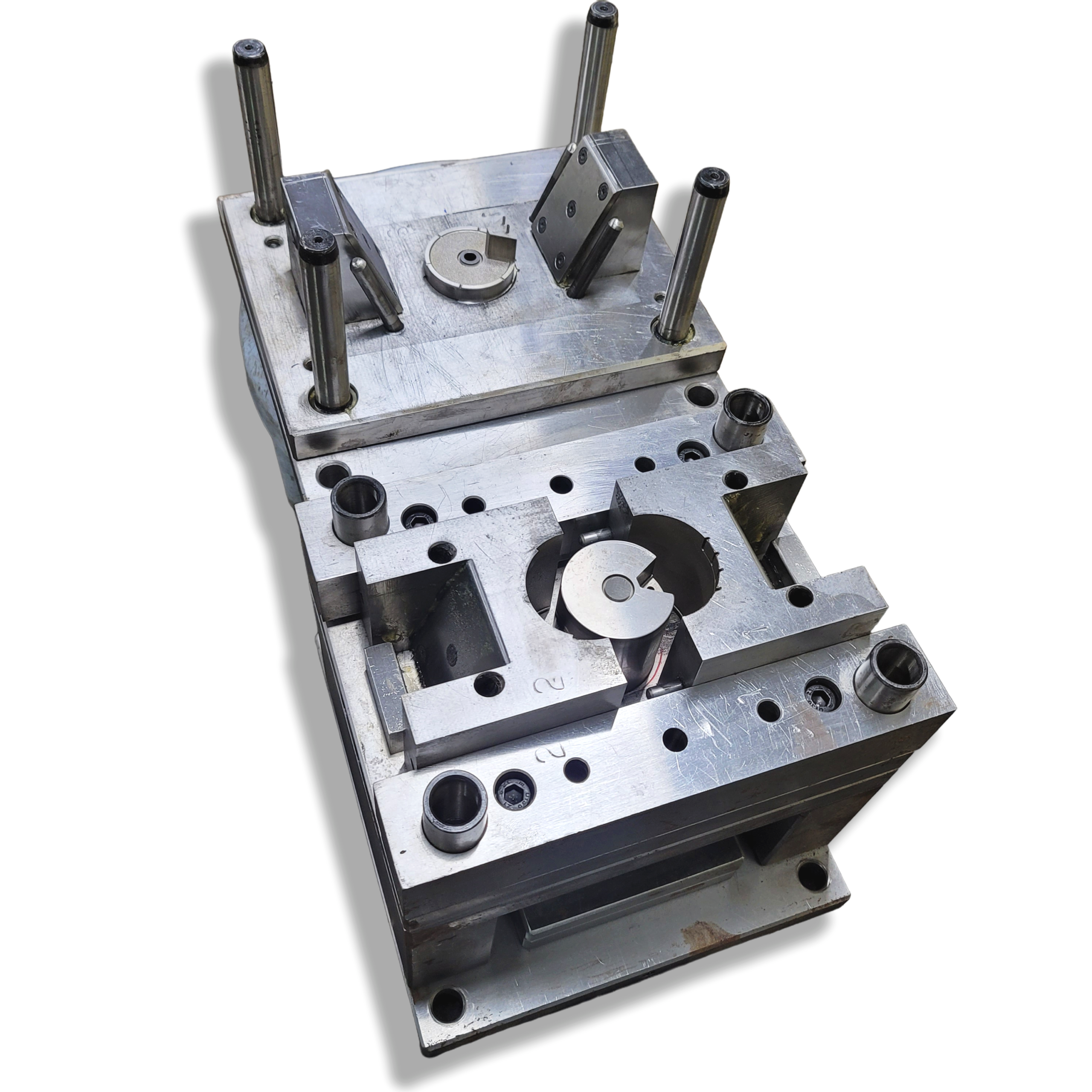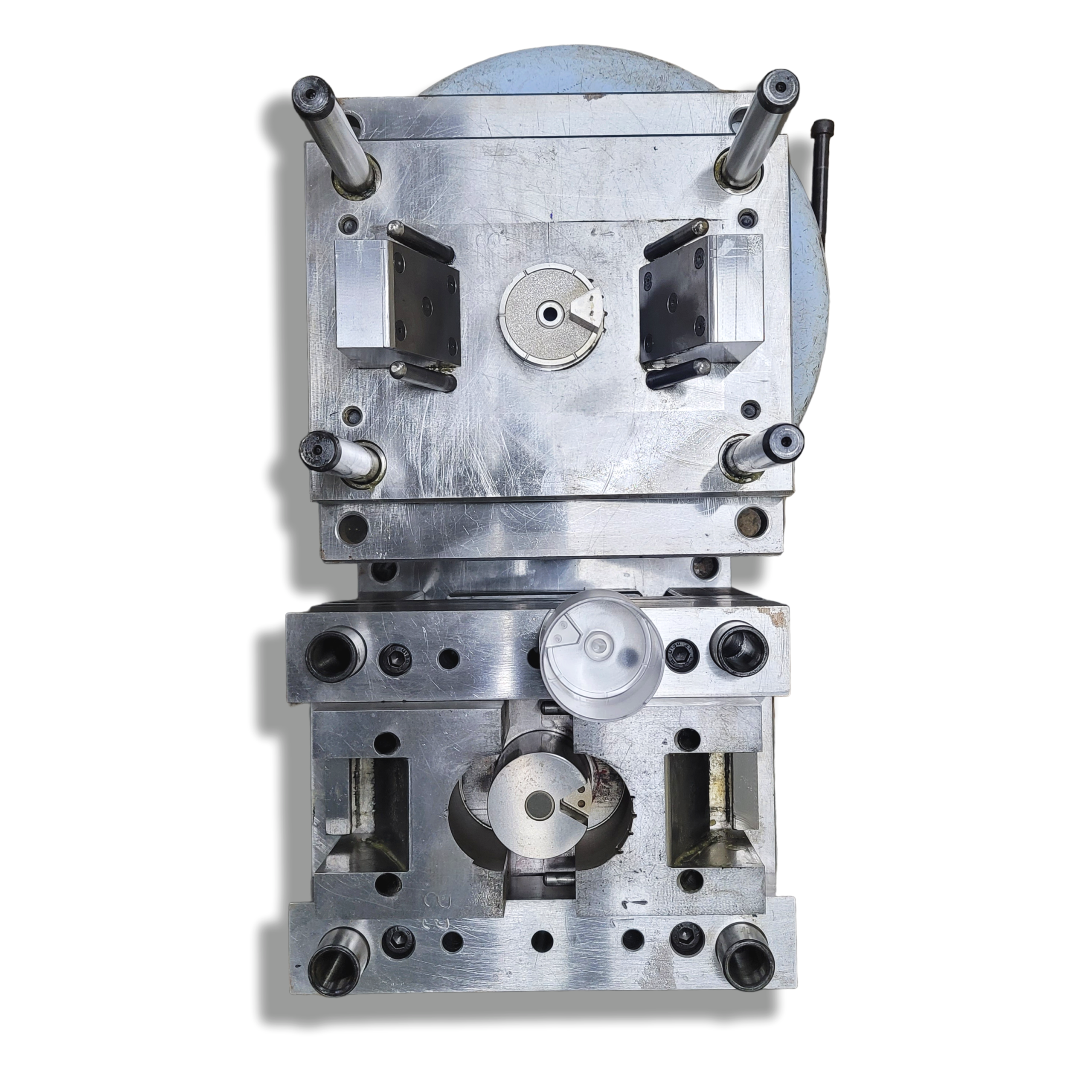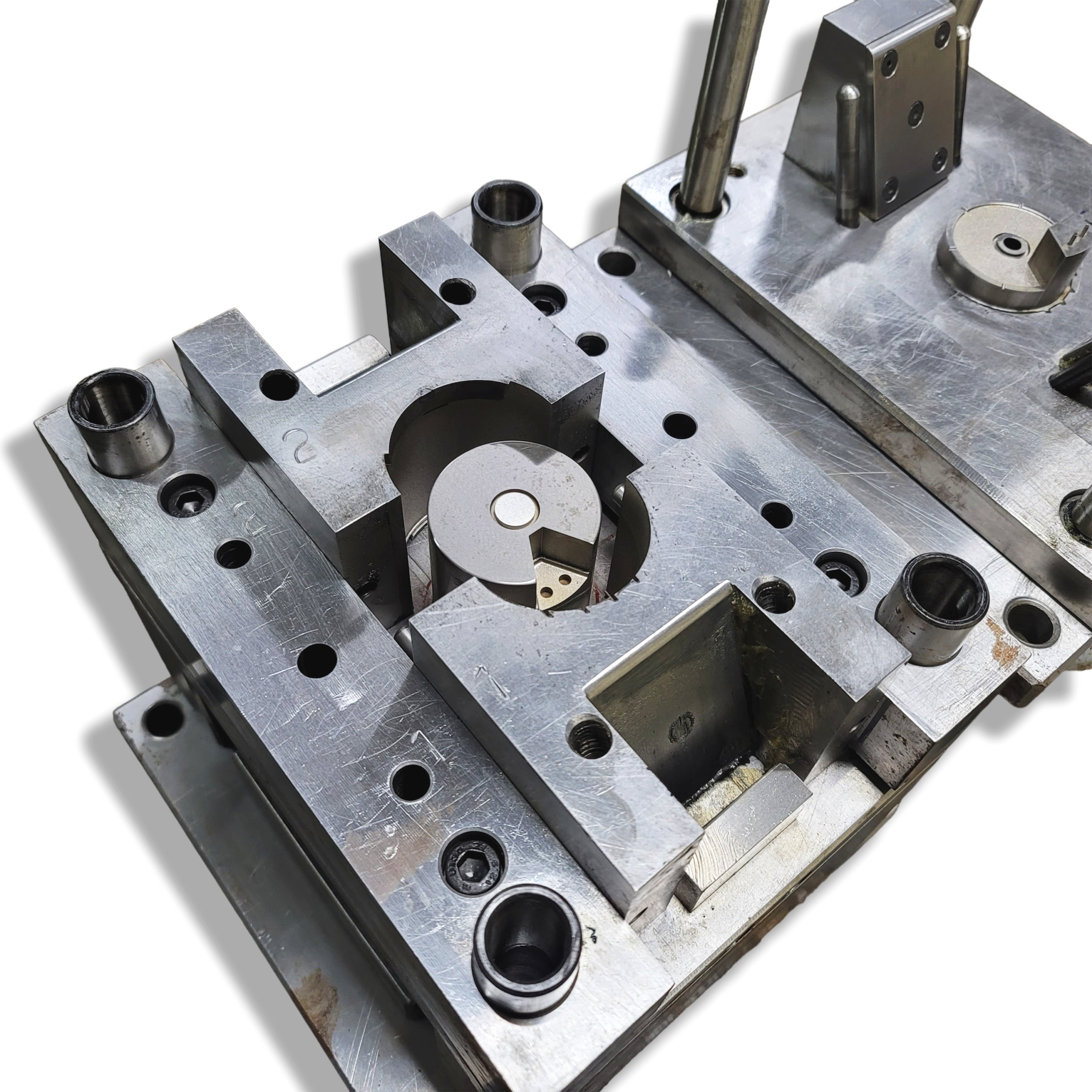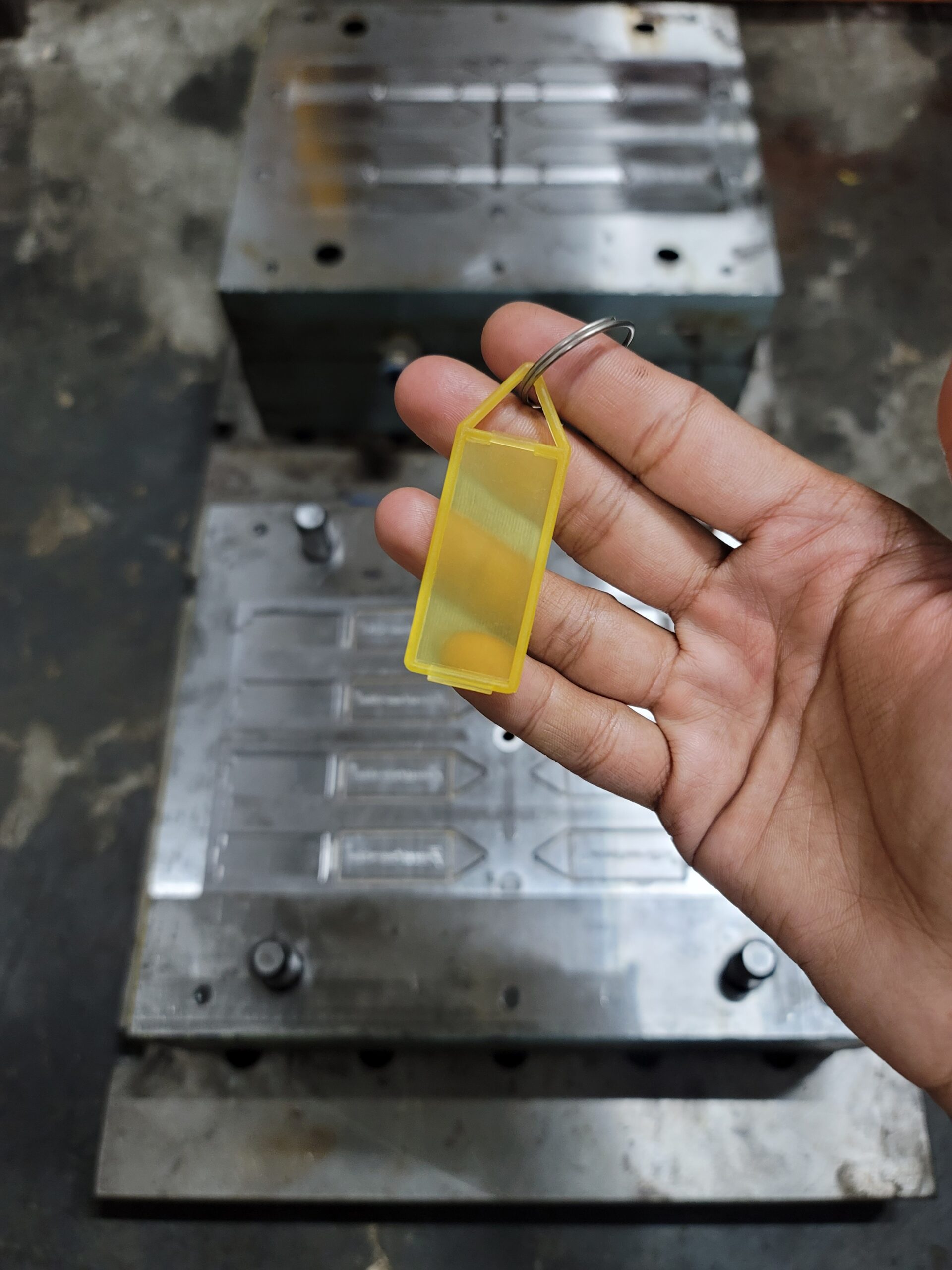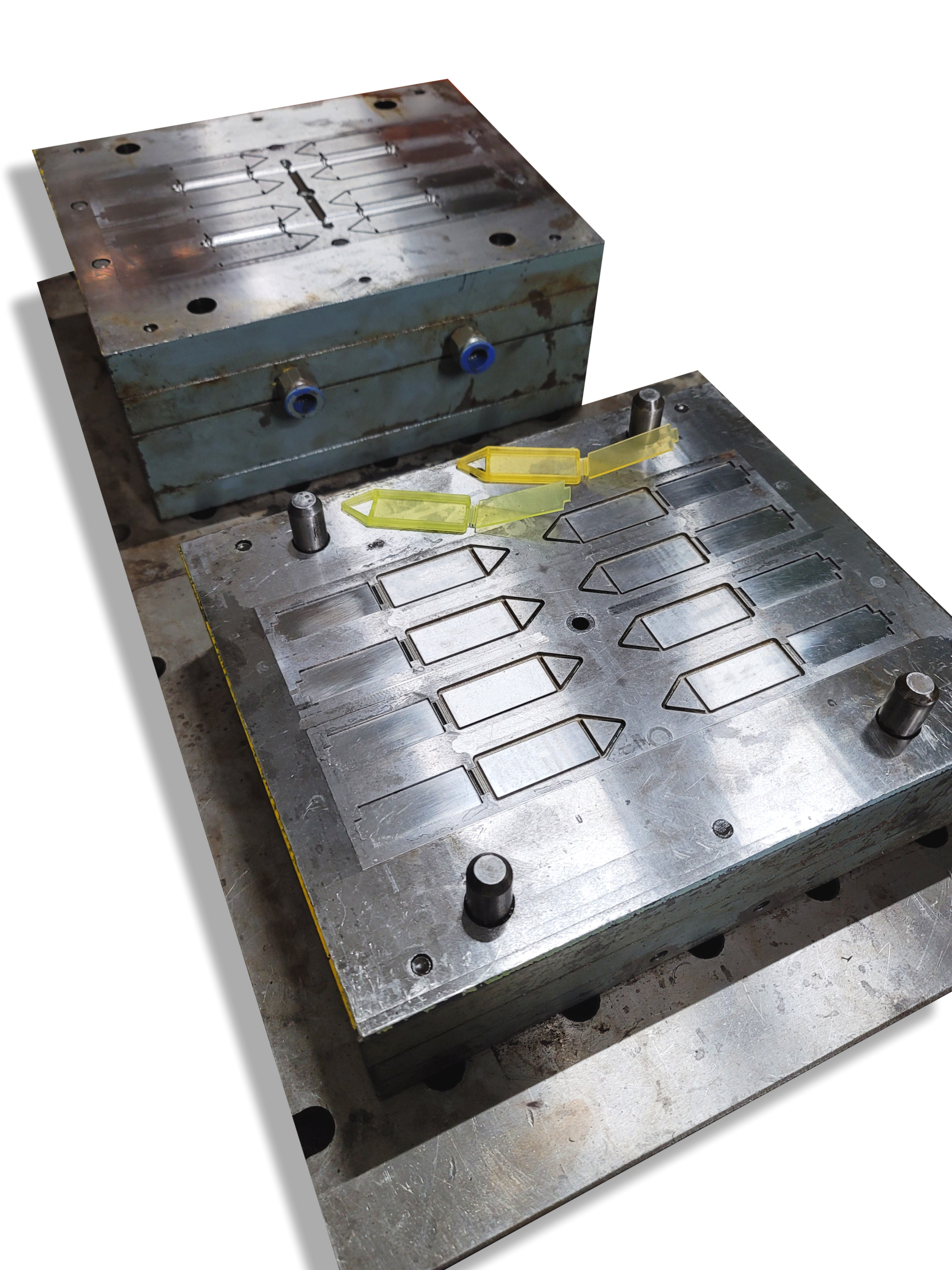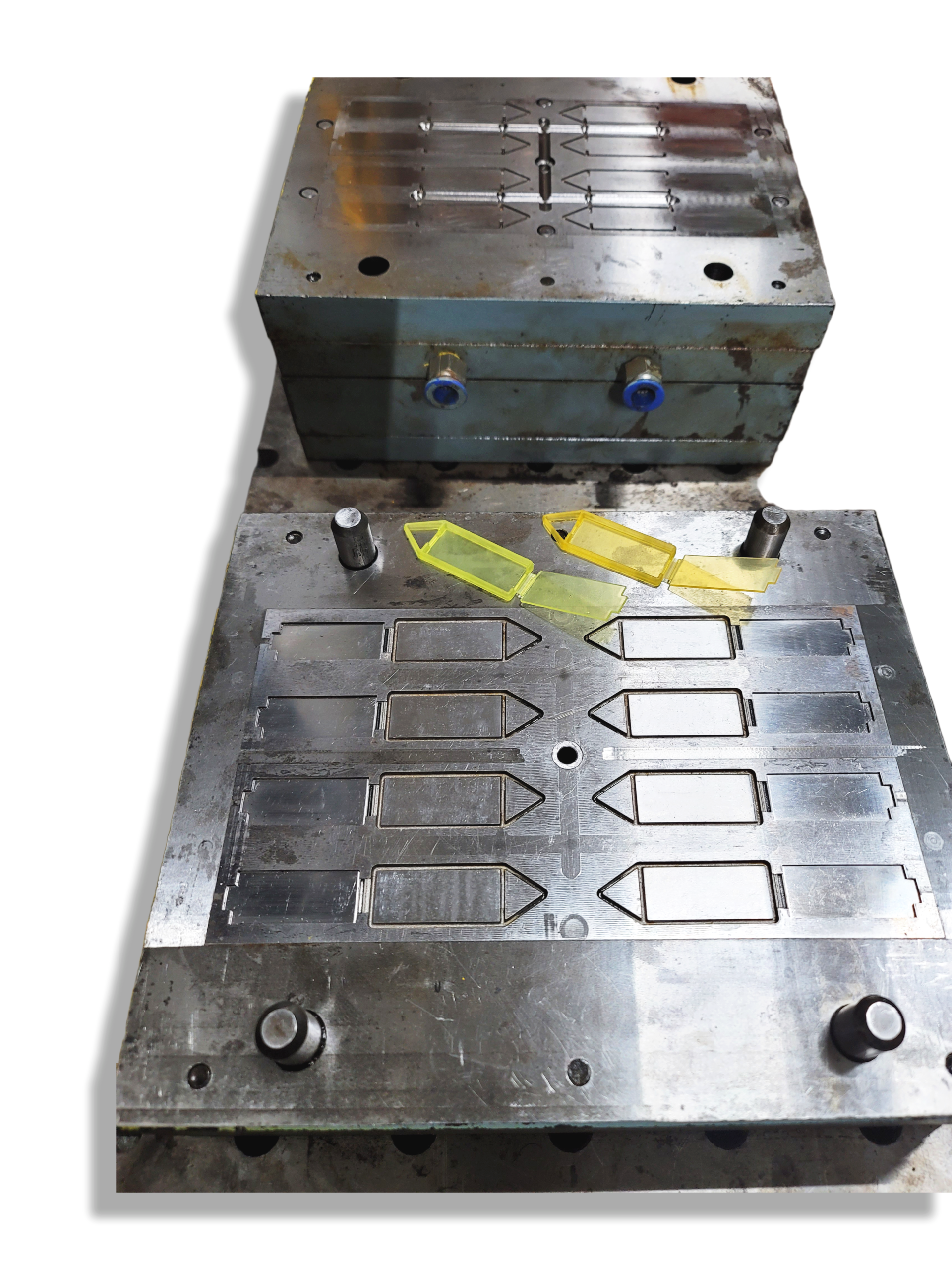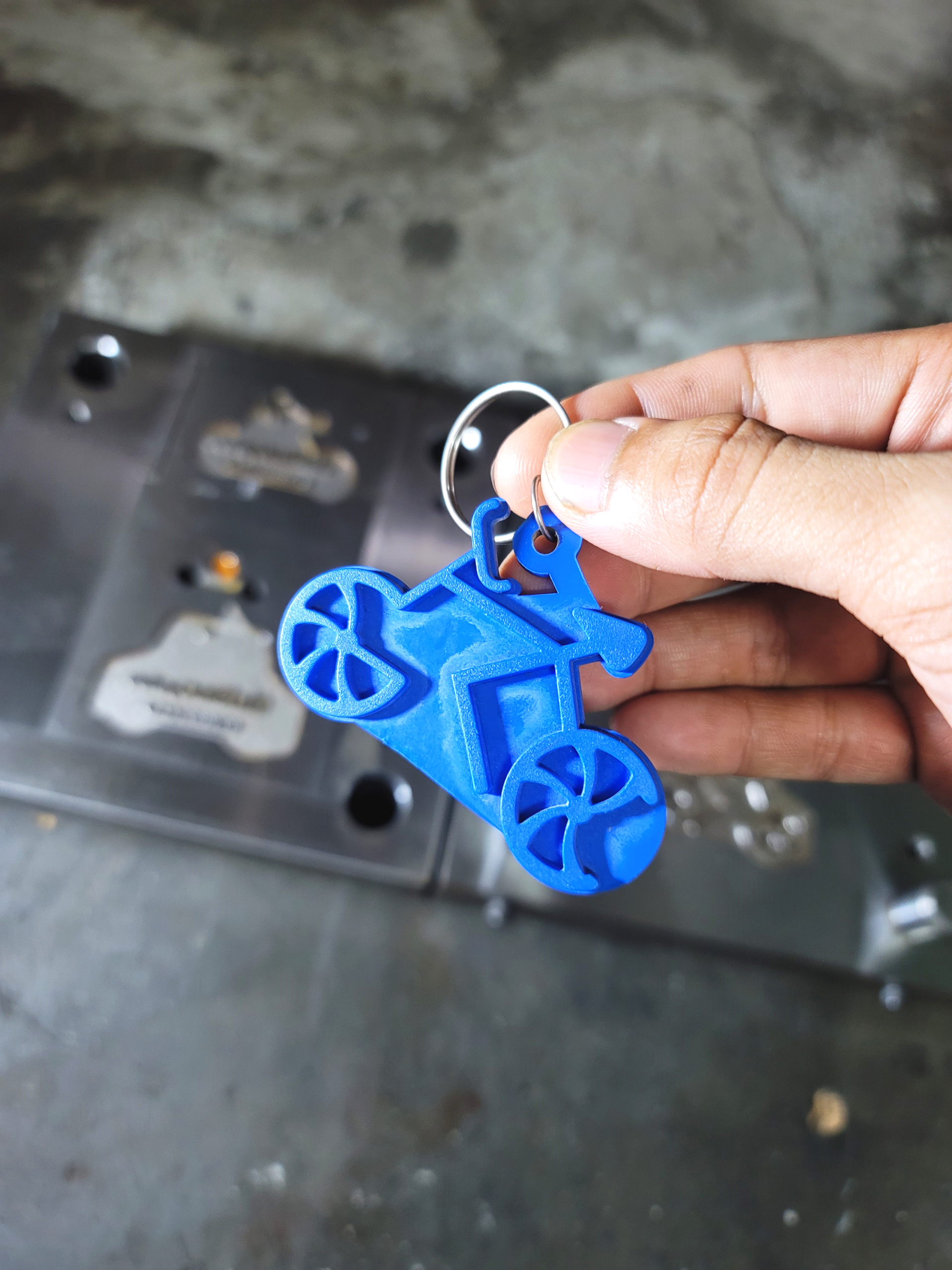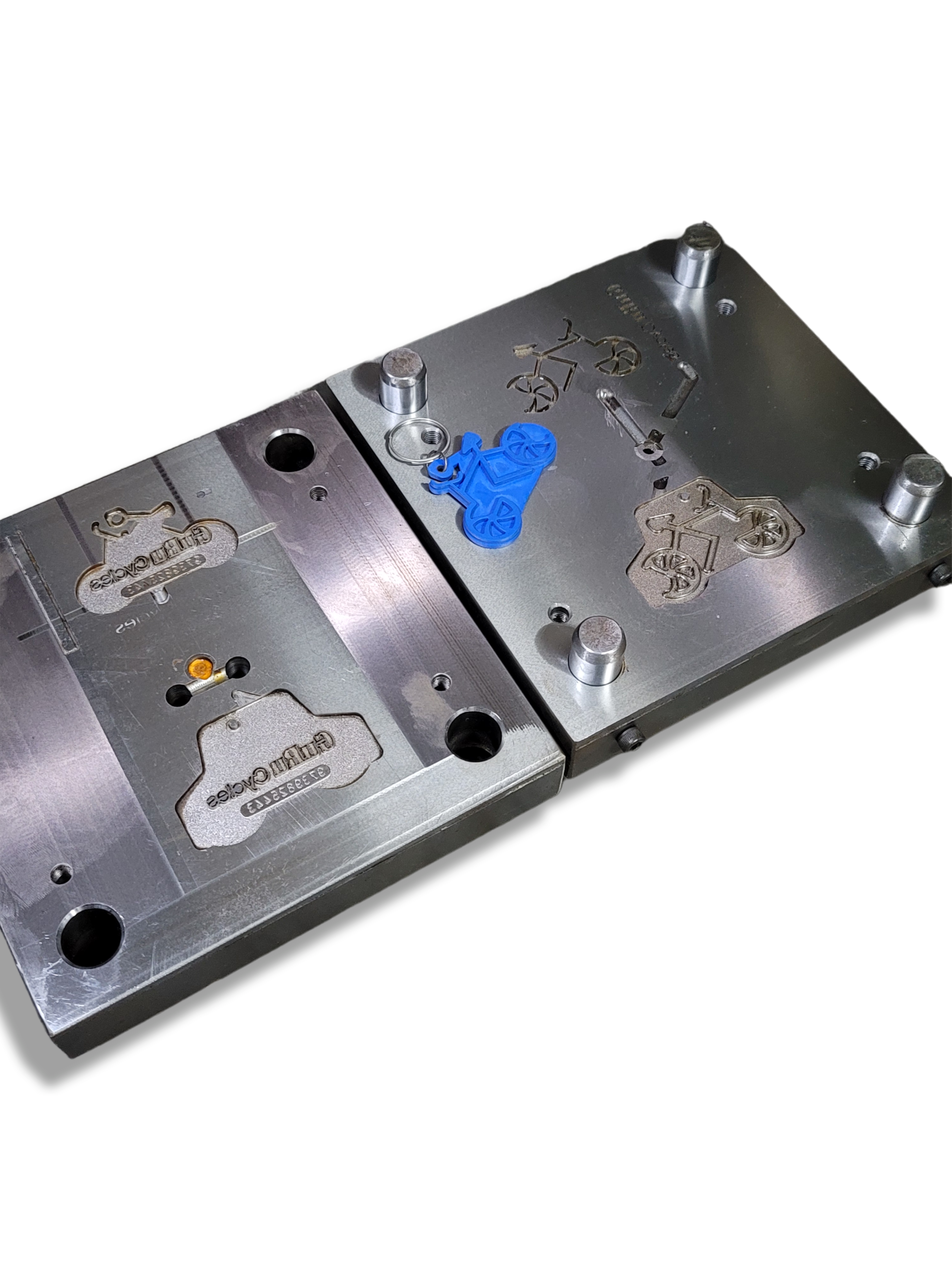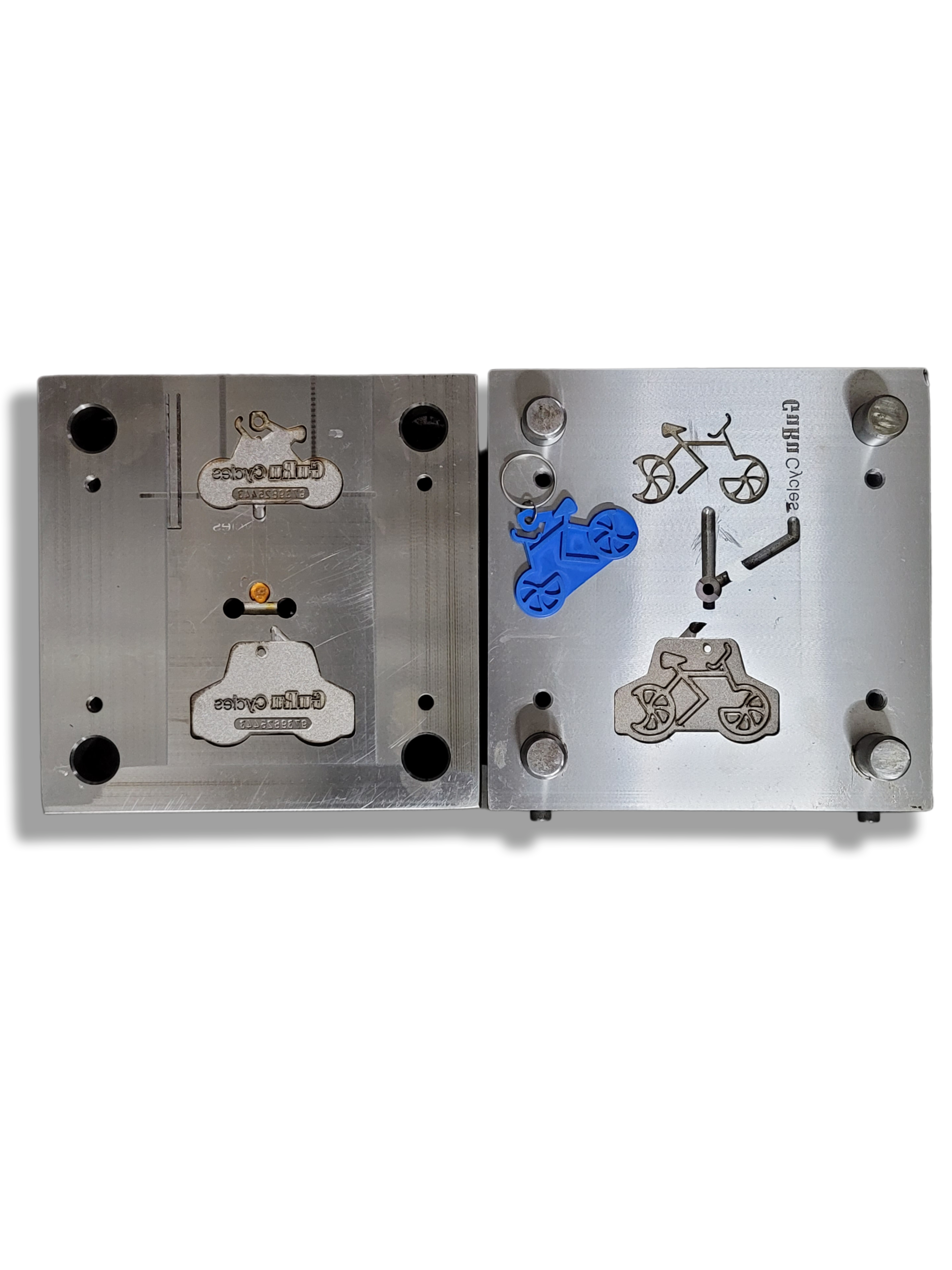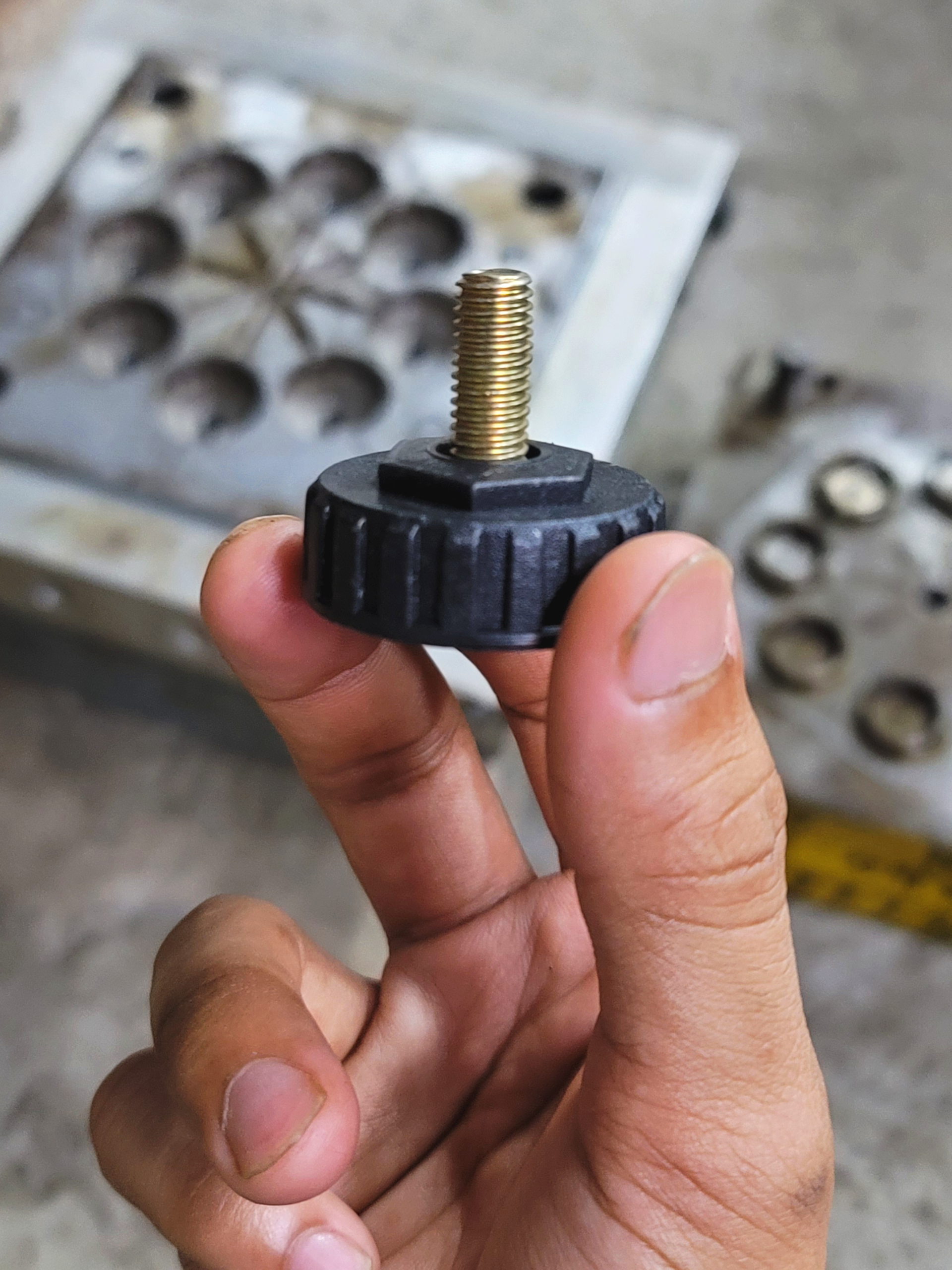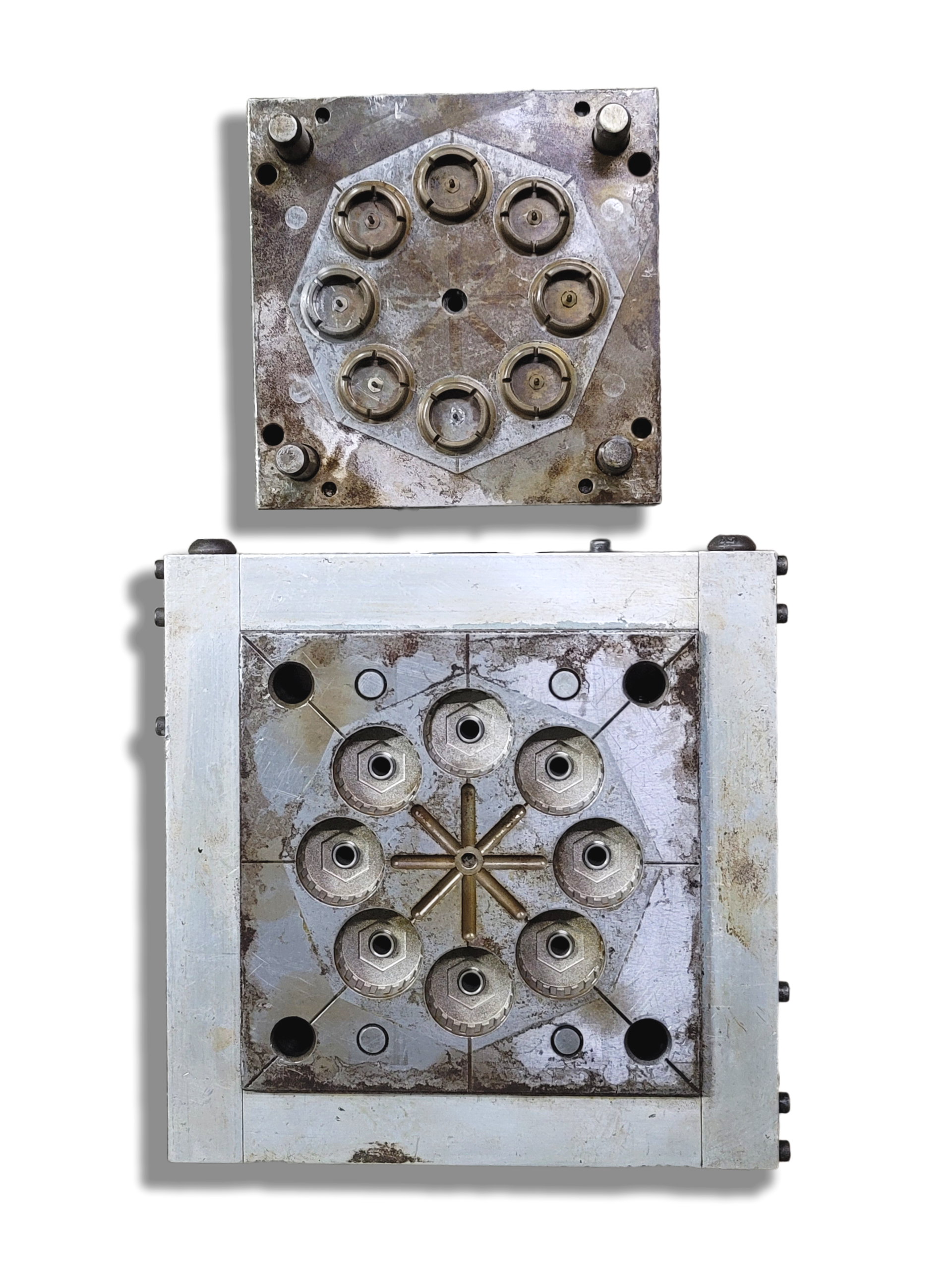

Injection Mold Making
Challenges You Might Be Facing
Too many Molding Defects
Frequent issues like flash, warpage, short shots, burn marks, or dimensional variation affecting product quality and rejection rate.
Increased Hidden Costs
Unexpected expenses due to rework, frequent maintenance, part rejection, and production downtime.
Repeated Mold Trials
Multiple trial runs required to correct flow, cooling, or ejection problems, increasing time and cost before production approval.
Delayed Delivery Times
Project timelines extending because of design corrections, machining delays, or repeated sampling adjustments.
How We Solved these Problems
Mold Design
- Every project begins with a detailed review of your part drawing. We study wall thickness, material flow, shrinkage, and functional requirements before starting the mold layout to avoid mold defects.
- Gate location, runner balance, cooling lines, and ejection systems are planned carefully to avoid common molding defects such as warpage, sink marks, or short shots.
- We finalize and review the complete mold design before machining begins. This structured approach reduces corrections later and helps achieve production stability in minimal trials.
Mold Machining
- Once the design is approved, machining is carried out using high-accuracy CNC, EDM, and grinding processes. Each core and cavity is produced with strict dimensional control.
- Critical areas such as shut-offs, parting lines, and profiles are carefully machined to avoid flash and mismatch during molding.
- Dimensional inspection is done at different stages to ensure alignment and accuracy. This reduces fitting errors and improves final mold performance.
Quality Control
Quality is verified step by step, not just at the end.
- Raw material verified before machining
- Core and cavity dimensions inspected
- Alignment checked during assembly
- Trial parts measured for accuracy
- Surface finish visually inspected
- Functional fitment tested
This structured inspection system prevents repeated trials and ensures the mold performs correctly before dispatch.
Scheduled Delivery
- We define a clear timeline before starting the project, including design, machining, assembly, and trial stages.
- Each phase follows planned milestones, and progress is tracked internally to avoid unnecessary delays.
- Weekly updates are shared so you always know the current project status.
- This organized process helps maintain committed delivery timelines and prevents last-minute surprises.
How We Build Your Mold

1. Get a Quotation
Share your part drawing and requirements with us. We review the details and provide a clear quotation covering tooling cost, lead time, and scope.

2. DFM Analysis
We review your part design to check wall thickness, draft angles, and practical mold, helping prevent defects and production issues early.

3. Mold Flow Plan
We plan material flow, gate position, and filling pattern to ensure uniform distribution, reduce warpage, and achieve stable part quality.

4. Mold Design
We study your part and plan the mold structure, cooling layout, gating, and ejection system to ensure smooth production performance.

5. Mold Making
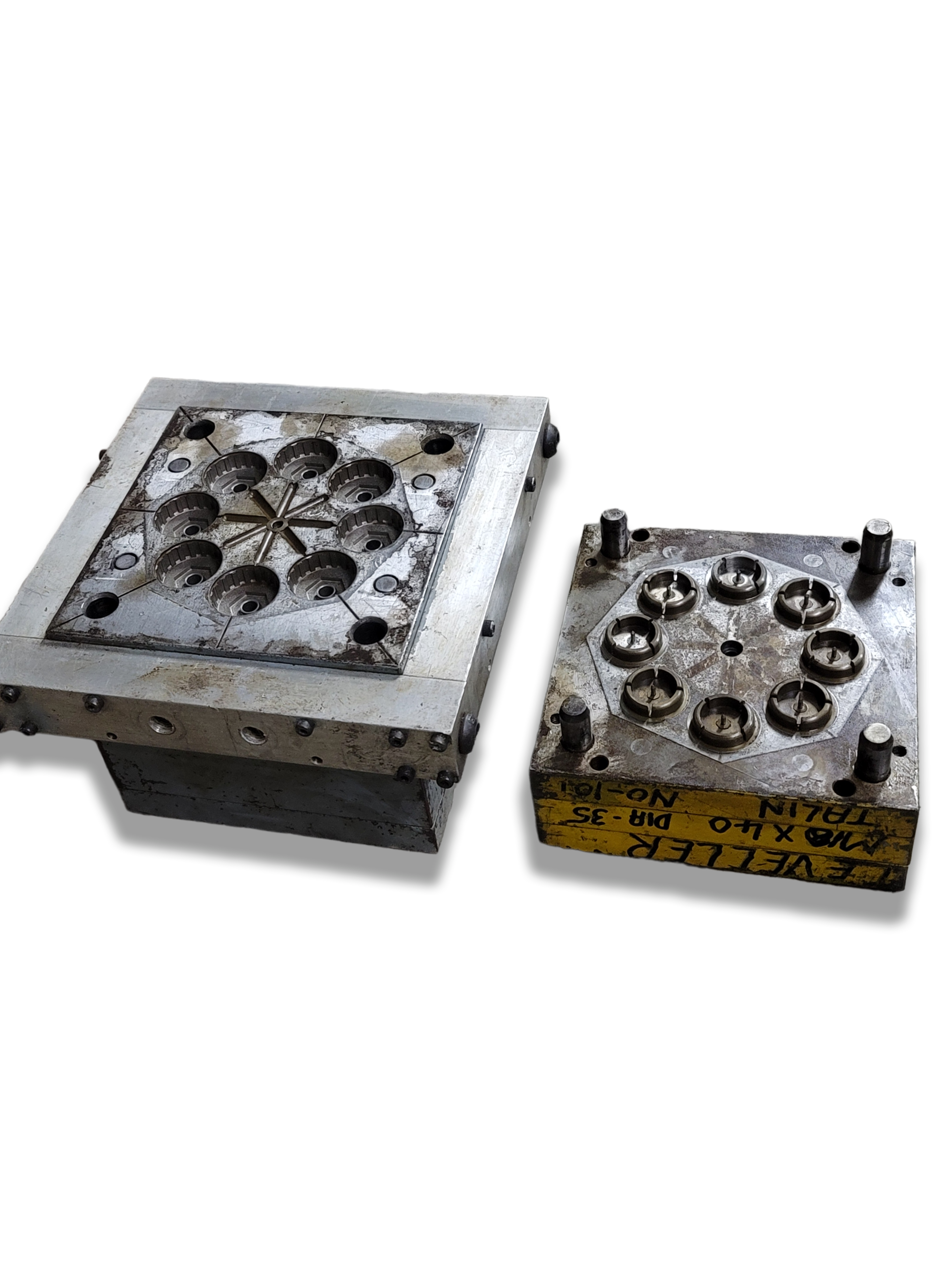
High-quality tool steel is machined, fitted, and assembled carefully to build a strong and accurate mold ready for production trials.

6. Mold Trial
The mold is tested on a molding machine to check part quality, dimensions, surface finish, and overall performance.

7. Sample Approval
Sample parts are shared for your review and approval. Once confirmed, the mold is finalized for regular production use.

8. Production & Dispatch
The approved mold is cleaned, protected against rust, securely packed, and shipped safely to your facility.
Tooling Materials We Use
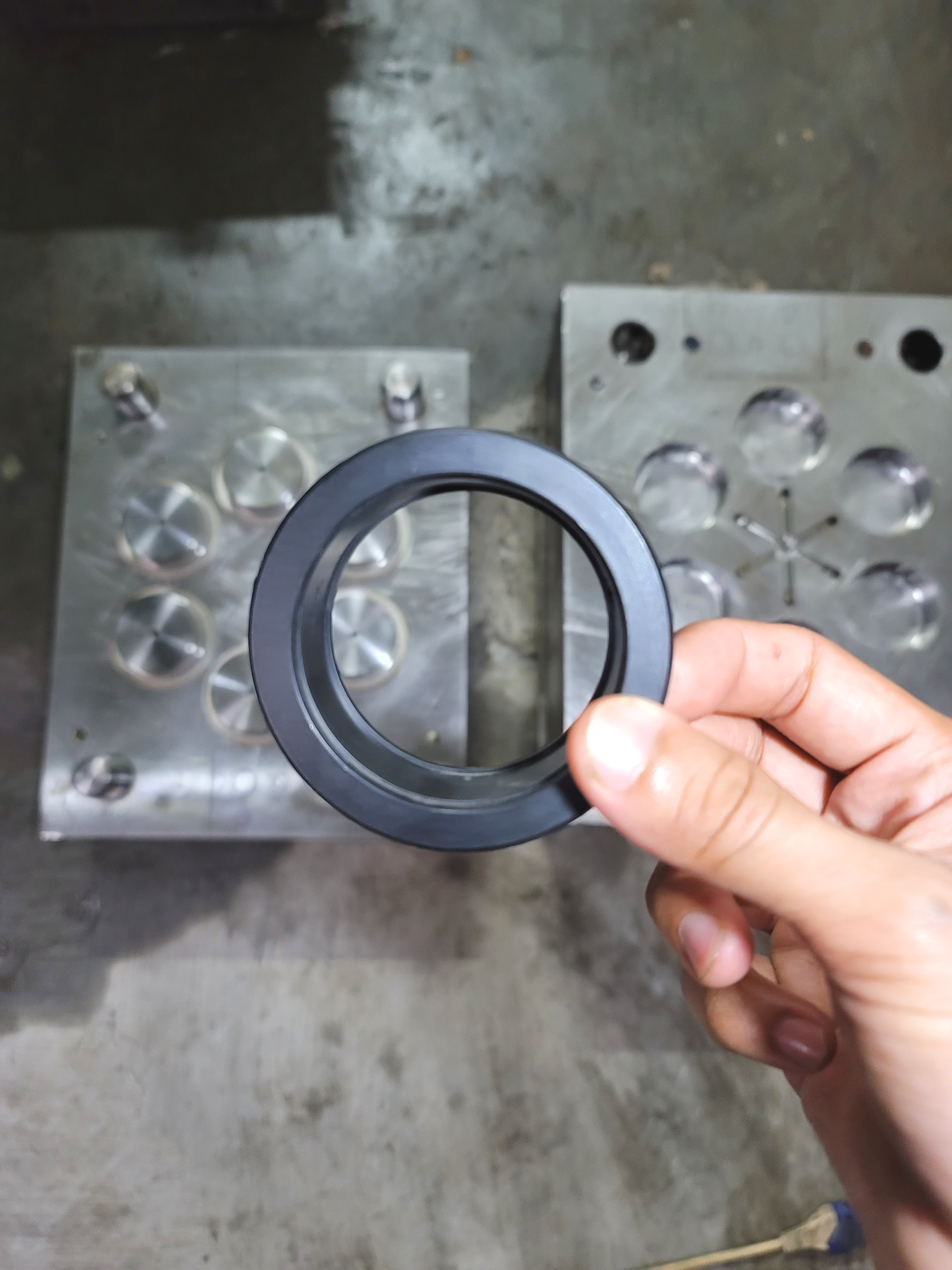
Tooling steels are selected for their hardness, wear resistance, and strength under high pressure. They must handle repeated heating and cooling without deforming or cracking. Good tooling metal maintains dimensional stability over thousands or even millions of molding cycles, ensuring long mold life and consistent part quality.
Steel Materials: P20, H13, C45, D2, EN31, HDS, HCHC
We select mold steel based on
- Production volume
- Material abrasiveness
- Surface finish requirements
- Expected shot life
Molds are built with
- Hardened components
- Replaceable wear inserts
- Strong mold base construction
- Proper alignment systems
Tooling Performance Metrics
±0.05 mm
Minimum Tolerance
1 ton
Maximum Weight Capacity
1 x 1 meter
Maximum Mold Size
50+
Sets Produced Per Year